Tour Guides
Bringing Your Youth Team to a La Liga Match: A Coach's Field Guide
By Juan Sánchez · 02 July 2026 · The Spanish Football Desk
La Liga · Transfers · The Youth Game · for US soccer coaches
By Juan Sánchez · 02 July 2026 · The Spanish Football Desk
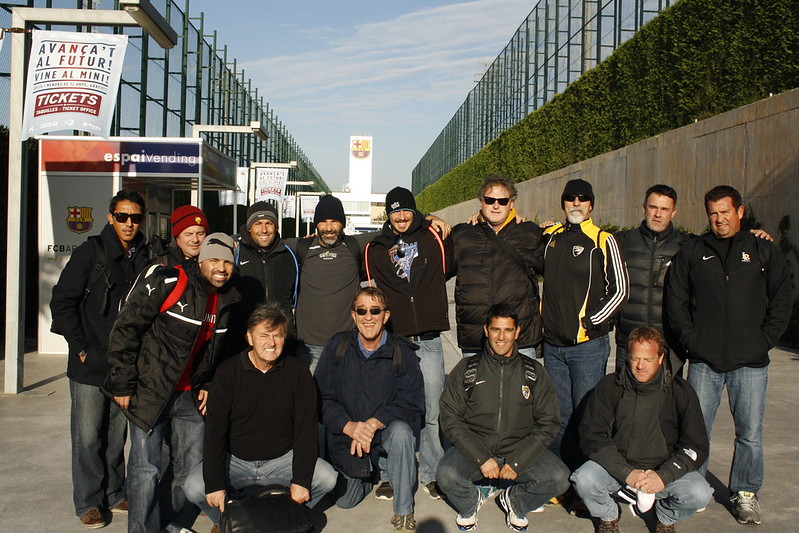
A practical, matchday-tested guide to taking a group of young players to a La Liga game in Spain, from ticketing and safety to turning ninety minutes into a real teaching session.
For a lot of American youth players, a La Liga night is the closest they will ever get to seeing the game played the way they have only watched on a screen. The pace, the noise, the way a full stadium reacts to a switch of play or a clever piece of pressing, none of it survives the compression of a broadcast. If you are planning a team trip to Spain, a live match is almost always the emotional high point of the week. It can also be a genuine coaching tool if you treat it like one. This guide walks through the logistics, the pitfalls and, most importantly, how to make the ninety minutes work for your players rather than just letting them wander through it.
The instinct is to chase the biggest club and the biggest name. That is not always the best choice for a youth group. A Clasico or a marquee derby will be expensive, hard to get tickets for in a block, and surrounded by heavier security and crowd intensity than a first-time traveling group needs. A mid-table La Liga fixture on a Saturday afternoon can be a better experience: cheaper, calmer, easier to seat a group together, and often just as instructive tactically. Clubs like Real Sociedad, Villarreal, Real Betis, Osasuna and Girona offer a full big-league atmosphere without the logistical headaches of the giants.
Timing matters too. La Liga spreads fixtures across Friday night through Monday night, and the exact kickoff times are usually confirmed only a few weeks out. That is a problem when you are booking flights and hotels months ahead. Build flexibility into your itinerary, target a match weekend rather than a specific day, and have a backup fixture in the same city or region in case your first choice moves to a late-night slot that does not suit a squad of twelve-year-olds. An 11pm Sunday kickoff sounds romantic until you have twenty exhausted kids and a training session the next morning.
Spanish clubs sell most seats to season-ticket holders (socios), and a chunk of the remaining inventory goes on sale only a week or two before the match. For a group, do not gamble on the general public sale. Contact the club's group-sales or hospitality department directly, or book through a reputable tour operator or licensed reseller who can guarantee a block of seats together. Getting twenty people scattered across a stadium is a safety and supervision nightmare, so paying a little more for a confirmed group block is worth it.
You will need each traveler's name for many clubs, and in some cases identification is checked at the gate, so keep your roster and any required documents organized. Away sections are strictly segregated and are not where you want a youth group, so always buy in a neutral home section. Ask specifically for seats away from the ultras' end, which is usually behind one goal. It is a fantastic spectacle, but it is loud, standing-only in spirit, and not the place to seat young kids for two hours.
Arrive early. An hour before kickoff is not too soon. Spanish stadiums and their surrounding streets fill up gradually, the queues at turnstiles are real, and arriving early lets your players soak in the pre-match ritual, the club shop, the food stalls and the buildup rather than sprinting to their seats as the whistle blows. Plan your transport with the return in mind too: metros and trams near big stadiums are packed after the final whistle, so agree a meeting point outside the ground and a clear plan before you ever go in.
Assign chaperone ratios and stick to them. A ratio of one adult to every five or six players is sensible for a stadium environment. Split the group into small pods, each with a designated adult, and give every player a card or wristband with the hotel name, a phone number and the meeting point. Phones die and kids get separated, so a low-tech backup matters. Brief the players before you leave the hotel: no wandering off, stay with your pod, and this is what we do if you get lost.
This is where coaches add value that a family holiday cannot. Before kickoff, give each player one thing to watch. Assign your center backs to track the opposing striker's movement, your midfielders to count how many touches the deepest midfielder takes before releasing the ball, your fullbacks to watch when the home team's wide players tuck inside. La Liga is a league of positional play, patient buildup and clever pressing triggers, and there is a coaching point on almost every possession if you tell players where to look. A live game lets them see the whole field, the off-the-ball runs and the shape that a TV camera crops out.
At halftime and after the match, debrief while it is fresh. Ask what they noticed, not whether they enjoyed it. Where did the goals come from? How did the team win the ball back? What did the goalkeeper do with his feet? Consider giving each player a simple one-page observation sheet with three or four prompts. It sounds like homework, but framed as a scouting mission it turns passive spectators into active watchers, and the conversations on the bus afterward are far richer for it. The goal is for them to come home seeing the game differently, not just with a scarf and a photo.
Spanish matchday culture is family-friendly but has its own rhythms. Fans stay to the final whistle and often longer, songs come from the ultras' end and roll around the ground, and the reaction to a good defensive play or a smart bit of possession can be as loud as a goal. Point that out to your players, because appreciating a well-worked move rather than only celebrating goals is exactly the mindset you want them to bring home. Prices for food and drink inside are steep and lines are slow, so feed the group beforehand and let the ground be about the football.
Finally, manage expectations and energy across the whole trip. A match is a big day, physically and emotionally, and it should sit at a smart point in your itinerary rather than the night before your most demanding training or a friendly. Pair the game with a stadium tour earlier in the week if you can, so players understand the club before they see it play. Done well, a La Liga night becomes the story they tell for years and the reference point you come back to at practice all season. Do the logistics carefully, give the game a purpose, and ninety minutes of Spanish football will teach your team more than a month of video.
Pick a match by level, kickoff time and safety rather than only the biggest name, buy grouped tickets early because season-ticket seats limit availability, plan transport that keeps the group together, and prepare players to treat the ninety minutes as a lesson. Brief them on local etiquette beforehand.
It can be, because many seats are held by season-ticket holders and clubs release group blocks unevenly. Book as early as you can and stay flexible on the exact fixture and section to keep a youth group seated together.
Plan arrival and departure transport in advance, set clear meeting points, keep a workable adult-to-player ratio, and walk the group through etiquette and the matchday environment before you go.
Spanish football, in English, in your inbox every week.
The week in La Liga, transfers and the youth game, written for US soccer coaches. One email, no noise.