Tour Guides · Spain
The Best Cities in Spain for a Youth Soccer Tour, Ranked by What They Offer
By Juan Sánchez · 02 July 2026 · The Spanish Football Desk
La Liga · Transfers · The Youth Game · for US soccer coaches
By Juan Sánchez · 02 July 2026 · The Spanish Football Desk
A practical breakdown of where to base a youth team in Spain, weighing academy access, match density, travel logistics and the everyday football culture your players will actually feel.
Every US coach who plans a Spain trip eventually hits the same question: where should we actually base the team. Spain is not one football country but several, and the city you choose shapes almost everything, the level of your friendlies, how far you travel between them, the stadiums you can tour, and the kind of football your players see on a random Tuesday night. This guide ranks the strongest options by what they genuinely give a visiting youth team, not by tourist appeal alone.
Before the list, a few principles worth setting up front. A good youth tour needs three things in the same place: enough local clubs and academies to arrange competitive friendlies for your age group, reasonable travel so you are not burning match legs on a bus, and a football culture your players can absorb outside of games. The best cities deliver all three. The trap is picking a city because it has a famous stadium and then discovering the youth football scene around it is thin or scattered.
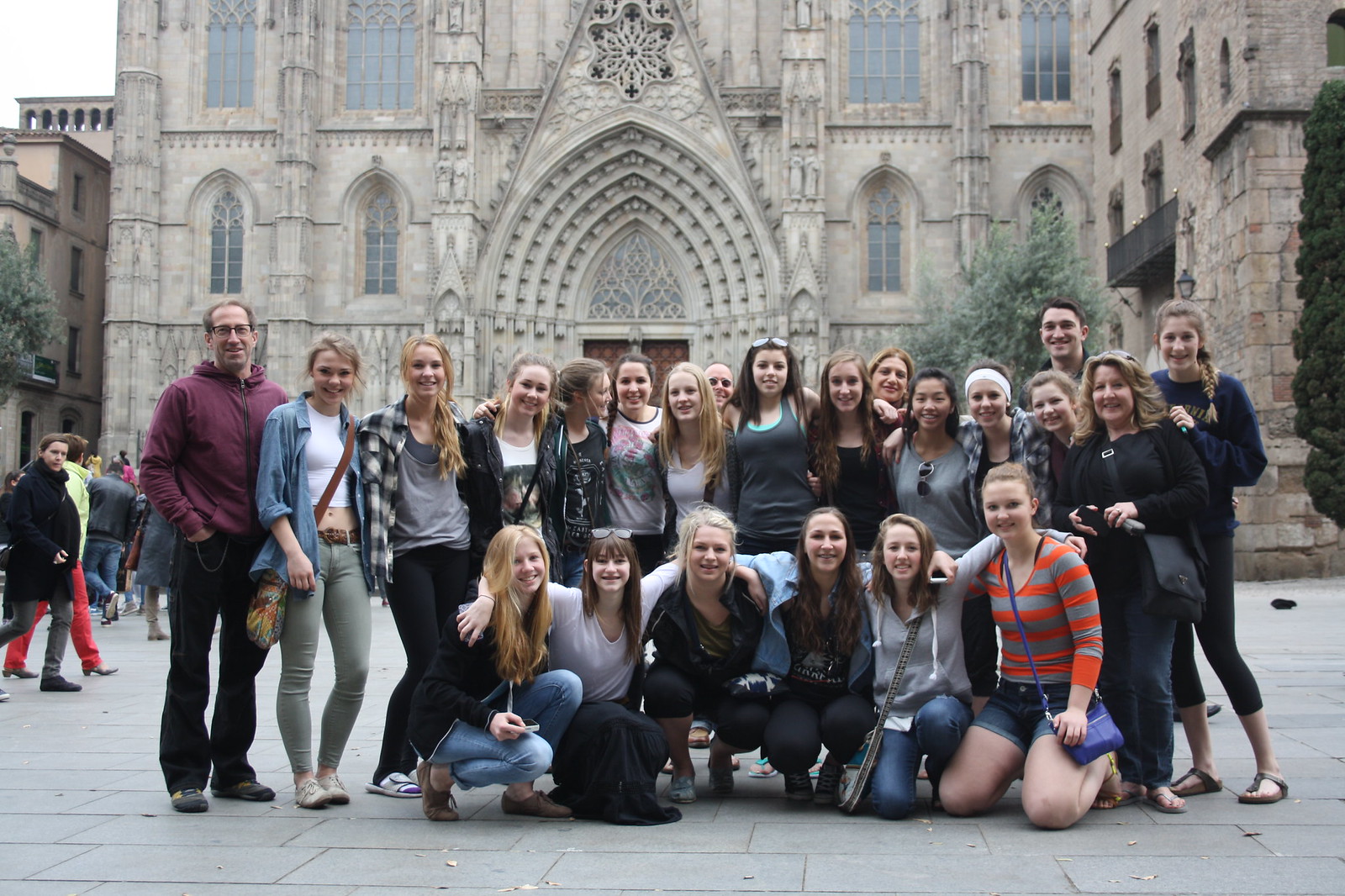
Barcelona is the default choice for a reason. The metropolitan area is dense with clubs, from La Masia at the top to a huge pyramid of well-run neighborhood and regional academies that play a recognizable possession-based style. That density matters more than any single crest. It means you can find opponents at U14, U16 and U18 without driving two hours, and you can often stack two or three matches into a week against genuinely different levels of competition. The city also runs on youth football culture in a way US visitors find striking, with weekend fixtures everywhere and coaching that talks constantly about positional play.
On the tour side, the Camp Nou tour is being reshaped as the stadium is rebuilt, so check the current visitor arrangements before you promise players a particular experience. The RCDE Stadium across town, home to Espanyol, and Girona a short train ride north add variety if you want a second matchday environment. Downsides: Barcelona is expensive, and in peak summer it is crowded and hot, which affects both training loads and hotel pricing. Book early and plan sessions for mornings.
Madrid is the other heavyweight, and for many trips it is the more logistically sensible one. It sits in the geographic center of the country with the best rail and flight connections, so a Madrid base can feed day trips or transfers to Toledo, Segovia and beyond. The club ecosystem is enormous, with Real Madrid and Atletico Madrid anchoring a wide field of competitive academies and semi-pro sides that regularly host visiting teams. For a coach who wants a high match count against varied opposition, Madrid delivers.
The stadium experiences are a real draw here. The Santiago Bernabeu has reopened after its major renovation and offers one of the most modern stadium tours in Europe, while the Metropolitano gives players a look at Atletico's home. Madrid's football identity leans more direct and intense than Catalonia's, which is a useful contrast to show players that Spanish football is not a single model. The main tradeoff is summer heat, which in the Madrid plateau can be severe, so schedule accordingly.
Valencia is the city I steer most first-time tours toward when the group wants a bit of everything without big-city cost or chaos. It is a serious football town with Valencia CF and Levante, a strong regional academy scene, and enough local clubs to build a competitive fixture list. The Mediterranean location means beach recovery sessions and a milder feel than the interior, and the compact city center is easy for chaperoning a squad of teenagers. Prices sit below Barcelona and Madrid, which frees up budget for an extra friendly or a coaching clinic.
Bilbao and San Sebastian offer something the big two cannot: a fiercely local football culture built around Athletic Club, which famously fields players from the Basque region, and Real Sociedad, whose Zubieta academy is one of the most respected in Spain. The playing style here is physical, vertical and identity-driven, and the youth scene is tight-knit and welcoming to visitors who come to learn. Travel between the two cities is short, so a Basque base gives you two distinct club environments in one trip. It rains more than the south, but summer temperatures are comfortable for actual football, which is not nothing when you are managing a young squad's workload.
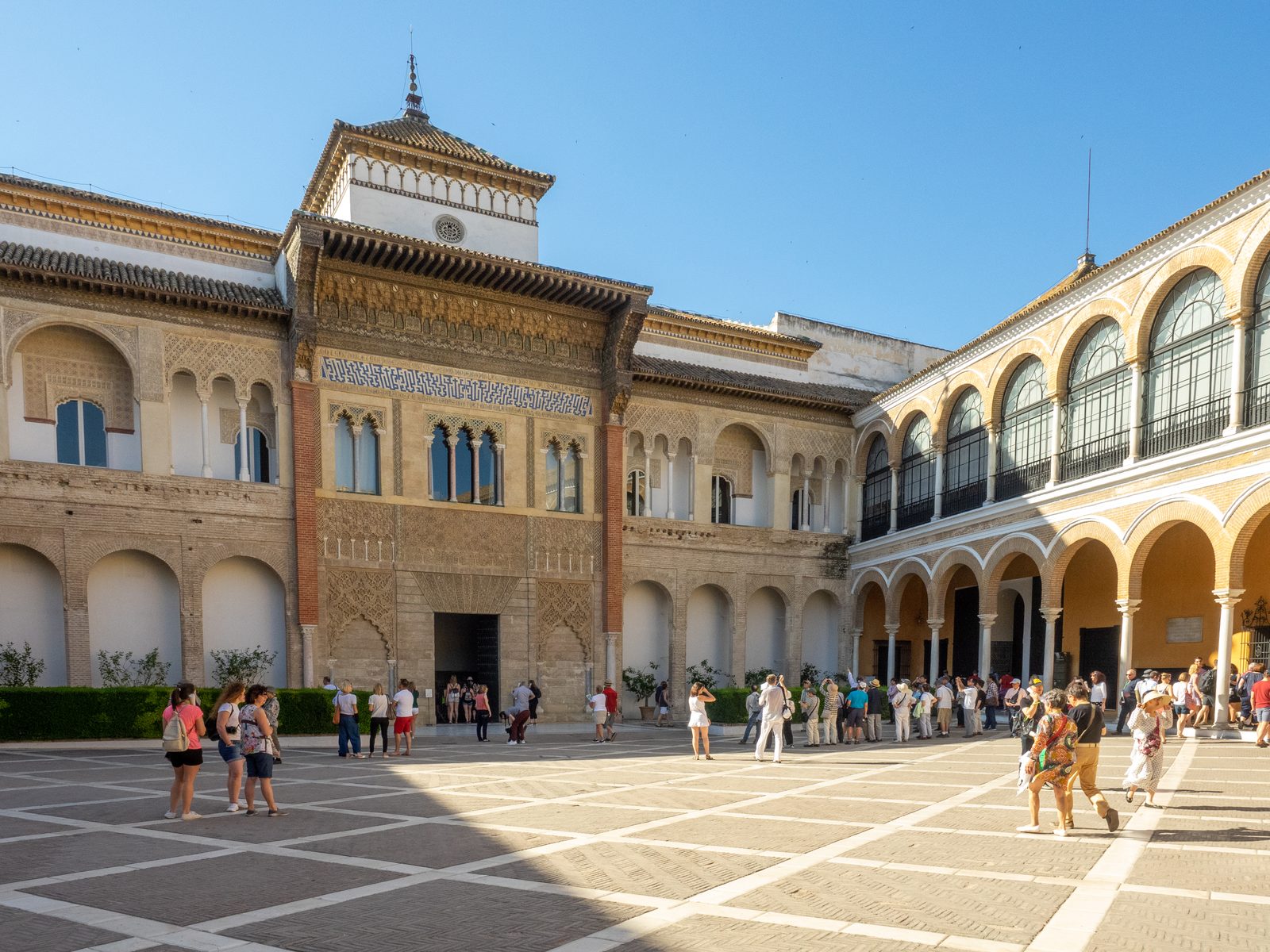
Seville is a strong option for teams that want a genuine two-club city, with Sevilla and Real Betis running significant academies and a passionate matchday culture. The wider Andalusian region, including Malaga on the coast, gives you room to combine competitive football with a warmer, slower base. The obvious caveat is heat. High summer in Seville is brutal for training, so this region works best in spring or early season windows, or with a strict early-morning session plan.
Match the city to your team's goal. If the priority is the highest number of competitive games against varied levels, Madrid or Barcelona win on sheer depth. If you want the smoothest logistics and a balanced first tour, Valencia is hard to beat. If your program values identity, player development philosophy and a specific style your kids can study, the Basque Country punches far above its size. Whatever you choose, confirm three things in writing before committing: the confirmed opponents and their age groups, the travel time to each match, and the current stadium tour availability, since several of Spain's biggest venues are in various states of renovation. Nail those, and the city almost picks itself.
There is no single best; it depends on your priorities. Barcelona has the deepest academy market, Madrid offers scale and easy connections, Valencia is the balanced middle option, the Basque Country brings a distinct style, and Seville anchors a southern football scene with two big clubs. Weigh academy access, match density and travel logistics.
Barcelona gives you the deepest concentration of academies and clubs to play and visit; Madrid gives you scale, strong competition and the easiest onward travel. Both are strong bases, so the choice comes down to whether academy depth or logistics and competition matter more to you.
Many groups base in one city to cut travel hours, then take day trips. Flying into one city and out of another, for example Barcelona in and Madrid out, lets you run a linear itinerary without backtracking.
Spanish football, in English, in your inbox every week.
The week in La Liga, transfers and the youth game, written for US soccer coaches. One email, no noise.