Tour Guides · La Liga
A Coach's Guide to Watching a La Liga Match Live
By Juan Sánchez · 02 July 2026 · The Spanish Football Desk
La Liga · Transfers · The Youth Game · for US soccer coaches
By Juan Sánchez · 02 July 2026 · The Spanish Football Desk
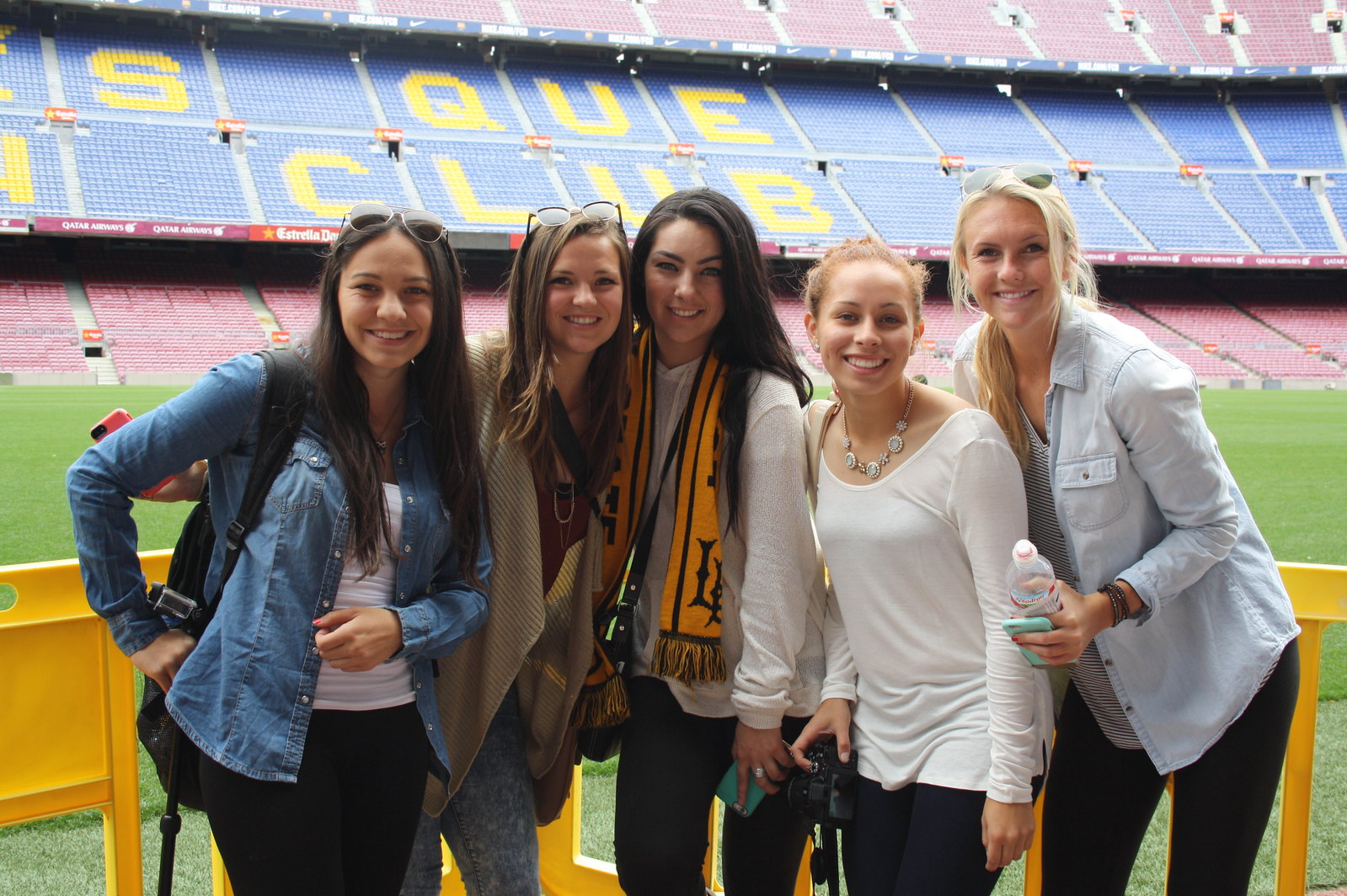
For a US coach, a La Liga night is more than a great evening out. Watched with intent, it is a live coaching clinic. Here is how to turn 90 minutes in the stands into material your players can use.
Most US coaches who travel to Spain treat a La Liga match as the highlight of the trip, and rightly so. The atmosphere, the pace and the technical quality are all worth the ticket on their own. But a live match is also the single best teaching resource on your itinerary, better in some ways than any coaching session, because it shows your players how the game is actually played by people who have grown up inside the Spanish model. The difference between a fun night out and a genuine learning experience comes down to preparation and a bit of structure. This guide is about squeezing every bit of value from those 90 minutes without turning the evening into a lecture.
Spend ten minutes before the trip getting your players oriented. They should know which two teams are playing, roughly where each sits in the table, and one or two players to watch on each side. You do not need a tactical dossier. You need just enough context that a 14-year-old understands why the crowd groans when a particular pass goes astray, or why a defensive midfielder dropping between the center backs is a normal, deliberate act rather than a mistake. If you are watching a mid-table side host one of the giants, tell your players to notice how the smaller club defends in a compact block and springs forward on the counter. That contrast between the two game plans is often more instructive than a lopsided result.
It also helps to explain the shape of the Spanish season and the culture around it. La Liga clubs sit inside a pyramid that runs down through the Segunda Division and the regional leagues, and almost every top side runs a reserve team and an academy, often playing in those lower divisions. When your players understand that the starters on the pitch mostly came up through that same academy system, the match stops being a distant spectacle and starts to look like a destination that youth players in Spain are actually working toward.
The most common mistake is asking young players to watch the ball. The ball is where the least learning happens, because everyone naturally follows it anyway. Instead, assign roles. Ask one player to watch only the near-side fullback and count how often they overlap. Ask another to track the deepest midfielder and note where that player receives the ball. Give a striker the job of watching how the opposing center forward presses and when they choose to hold their run. When you give players a specific lens, they see things they would otherwise miss, and they come out of the stadium with observations instead of just a scoreline.
Off-the-ball movement is the theme that pays off most for American players. US youth soccer still tends to reward the athletic, ball-dominant player, while Spanish football is built on scanning, angles of support and the timing of runs. Encourage your group to watch what players do in the two or three seconds before they receive the ball. How they check their shoulders, how they open their body to play forward, how they create a passing lane by moving away and then coming back. These habits are coachable, and seeing them performed at full speed by professionals plants the idea far more effectively than a diagram on a whiteboard.
A Spanish stadium teaches you about the football culture as clearly as the match itself. Notice what the crowd applauds. Very often the loudest appreciation is not for a goal or a flashy skill but for a well-timed defensive recovery, a clever first touch that beats the press, or a full back who wins a foul to relieve pressure. That collective sense of what is valuable, the culture of valuing intelligence over spectacle, is exactly the mindset many US coaches are trying to build back home. Point it out to your players when it happens.
You will also feel the difference in tempo. La Liga games often have long stretches of patient buildup that can look slow to eyes trained on the end-to-end rhythm of MLS or college soccer. Use those quieter passages to talk about game management, about keeping the ball to control the tempo, and about the idea that possession is a defensive tool as much as an attacking one. Then when the game accelerates, the contrast lands. Your players will start to feel the rhythm of a match rather than just its highlights.
The learning is only half done when the final whistle blows. On the walk back or over dinner, spend fifteen minutes gathering what everyone saw. Go around the group and have each player report on the specific thing they were assigned to watch. This does two things. It rewards the players who paid attention, and it lets the whole group benefit from a dozen different vantage points on the same match. Keep it light and conversational. The goal is reflection, not a test.
If you can, connect what they saw to a training session later in the trip or back home. If your group watched a team build out of the back under pressure, run a rondo or a build-up exercise the next day and reference the match directly. The phrase you want your players to hear is some version of remember what that midfielder did last night. That link between watching elite football and doing the work themselves is where the real value of a Spain tour lives.
A few logistics make the night smoother. La Liga kickoff times vary widely and many matches start late in the evening, sometimes at nine or ten local time, so plan around energy levels for a youth group. Arrive early enough to watch the warmups, which are a coaching clinic in their own right, full of passing patterns and finishing drills you can steal. Bring layers, since spring and autumn evenings get cold once the sun drops. And set a clear expectation that phones stay in pockets for most of the match. The players will remember what they watched, not what they filmed.
Handled with a little intention, a single La Liga match becomes one of the most useful teaching tools of the entire trip. Your players get to see the Spanish model performed at the highest level, feel the culture that produces it, and carry a set of concrete observations into their own game. That is a far better return than a souvenir scarf and a blurry photo of a goal celebration, and it costs you nothing more than a few minutes of preparation and a short conversation afterward.
Do a little homework on both teams before kickoff, give each player one specific thing to watch such as a position or a phase of play, read the crowd and matchday culture as much as the game, and run a short review afterward so ninety minutes becomes usable coaching material.
Assign each player one focus: how a full-back positions without the ball, how the team builds from the goalkeeper, first touch under pressure, or how quickly play restarts. Individual focus turns passive watching into active learning.
Spanish football, in English, in your inbox every week.
The week in La Liga, transfers and the youth game, written for US soccer coaches. One email, no noise.