Tour Guides · Academies
A US Coach's Guide to Visiting La Masia and Spain's Top Academies With Your Team
By Juan Sánchez · 02 July 2026 · The Spanish Football Desk
La Liga · Transfers · The Youth Game · for US soccer coaches
By Juan Sánchez · 02 July 2026 · The Spanish Football Desk
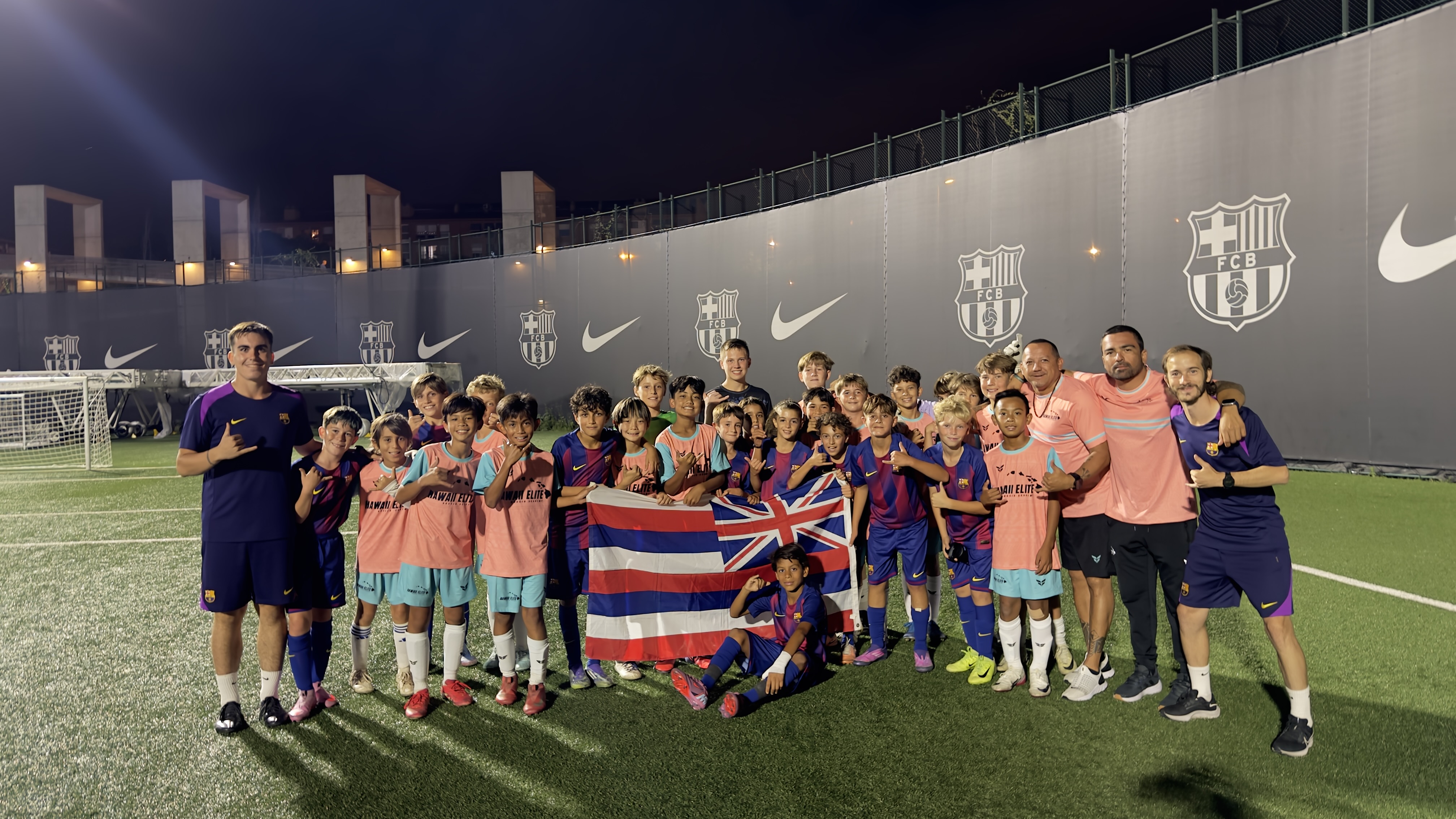
What you can actually see at La Masia, La Fabrica, Lezama and beyond, how academy visits fit into a youth tour, and how to turn a stadium walk into a coaching lesson your players remember.
For a lot of American youth coaches, the phrase La Masia carries almost mythical weight. It is the name attached to a generation of Barcelona players who redefined how the game could be played, and it has become shorthand for the idea that a club can teach a style, not just recruit athletes. When you bring a team to Spain, a visit to an academy environment is often the moment that reframes how your players think about the sport. This guide breaks down what those visits realistically look like, what you can and cannot access, and how to get real coaching value out of them rather than just a photo on the club steps.
First, a clarification that saves a lot of disappointment. There is no open public tour where visitors walk into a working residential academy and watch elite teenagers train up close on demand. Academies are schools as much as they are football programs, and the players living and studying there are minors on a protected campus. So when a tour advertises an academy visit, understand what is actually on the table. That usually means one of a few things: a stadium and museum tour that includes the academy story, a scheduled friendly against a Spanish academy or club side, an organized coaching session run by licensed local staff, or a facility visit and Q and A arranged directly through a club or federation. Each of these has value. They just serve different purposes.
The original La Masia was a restored 18th century farmhouse next to Camp Nou that housed young players who moved to Barcelona from elsewhere. In 2011 the residency moved to a modern complex, the Ciutat Esportiva Joan Gamper, on the edge of the city in Sant Joan Despi. The old farmhouse still stands near the stadium and is part of the club's heritage. For visiting teams, the accessible experience is generally the Camp Nou tour and museum, which tells the academy's story and displays the trophies and shirts that make the methodology tangible. During major stadium works the tour has run in modified forms, so always confirm current access before you build a day around it.
The coaching lesson worth drawing out for your players is not the building. It is the model. La Masia's reputation was built on small-sided, ball-dominant training, on developing decision making and scanning from a young age, on positional play, and on producing players who share a common footballing language regardless of position. Standing where Xavi, Andres Iniesta, Sergio Busquets and countless others came through is a chance to talk with your team about why possession, spacing and quick combinations were trained deliberately for years, not stumbled into. That conversation travels home better than any souvenir.
Barcelona is the headline, but Spain is full of academy cultures your players should understand. Real Madrid's academy, known as La Fabrica, operates out of the Ciudad Real Madrid in Valdebebas near the airport and has produced a long line of internationals alongside the club's famous galactico signings. Athletic Bilbao's Lezama is arguably the most fascinating case study for a US coach, because Athletic competes in the top division while fielding players developed in or connected to the Basque Country, an identity-driven model that forces genuine investment in youth development.
Real Sociedad's Zubieta in the Basque region and Villarreal's academy are both respected for producing first-team and national-team players from smaller-market clubs, which is a useful counterpoint to the idea that only giants develop talent. Valencia, Sevilla and Real Betis all run strong academy pipelines as well. If your goal is to show players a range of philosophies rather than a single brand, a route that pairs Madrid or Barcelona with a Basque club gives them two very different answers to the same question of how to build a footballer.
The teams that get the most from these trips prepare their players to observe with intent. Before you travel, give your squad two or three things to watch for: how much of a session is played with the ball versus lines and laps, how coaches organize small-sided games and constraints, how young players are coached to receive on the half-turn and scan before the ball arrives, and how much talking the coaches actually do during play. Then debrief the same evening while it is fresh. A fifteen minute conversation about what they noticed does more for development than the visit itself.
If your itinerary includes a live session run by Spanish coaches or a friendly against a local academy side, treat it as a two-way exchange rather than a test. Spanish youth football is comfortable with players making mistakes in possession under pressure, because that is where learning happens. American teams often arrive more direct and more risk-averse in their own half. Prepare your players for that difference so they lean into it instead of retreating to what feels safe. Ask the host coaches about their weekly training load, their game formats by age group, and how they balance school with football, because those structural answers are where the real transferable ideas live.
A few logistics matter. Academy sessions and friendlies are arranged in advance through clubs, federations or a tour operator with existing relationships, so build in lead time and do not expect to book them on arrival. The Spanish season runs roughly from late August to May, with a winter break, so spring and early summer tours often mean end-of-season fixtures and available academy pitches, while a preseason window can offer different access. Stadium and museum tours require timed tickets and sell out around big matches, so lock those in early. And remember that filming and photographing youth players is restricted for safeguarding reasons, so brief your parents and players before you go.
Handled well, an academy-focused tour gives your players something a training camp at home cannot: proof that the ideas you teach them exist at the highest level, practiced patiently over years. They come home understanding that the flair they admire is built on repetition, structure and a clear philosophy. That is the takeaway worth traveling for, and it is the one that changes how a team trains long after the trip ends.
Direct training inside Barcelona's La Masia is not generally open to visiting teams. What you can reliably arrange is a stadium and facility experience plus coached sessions with accredited Spanish academy or federation coaches. Treat elite on-pitch access as the exception, arranged in advance, not the default.
La Masia is FC Barcelona's famed youth academy. Visitors typically experience the stadium, museum and facility side rather than elite training sessions. The lasting value comes from watching how the Spanish game is taught and translating it into your own coaching.
Beyond La Masia, Real Madrid's La Fabrica and Athletic Club's Lezama are among the best known, and several La Liga clubs run academy setups that can host coached sessions. The right one depends on your base city and the level of access you arrange.
Give each player one or two specific things to observe, such as spacing, first touch, or how a session is structured, then run a short review afterward. A guided visit becomes a lesson rather than a photo stop.
Spanish football, in English, in your inbox every week.
The week in La Liga, transfers and the youth game, written for US soccer coaches. One email, no noise.