Tour Guides · Youth
When to Take Your Team to Spain: A Coach's Calendar for Youth Tours
By Juan Sánchez · 02 July 2026 · The Spanish Football Desk
La Liga · Transfers · The Youth Game · for US soccer coaches
By Juan Sánchez · 02 July 2026 · The Spanish Football Desk
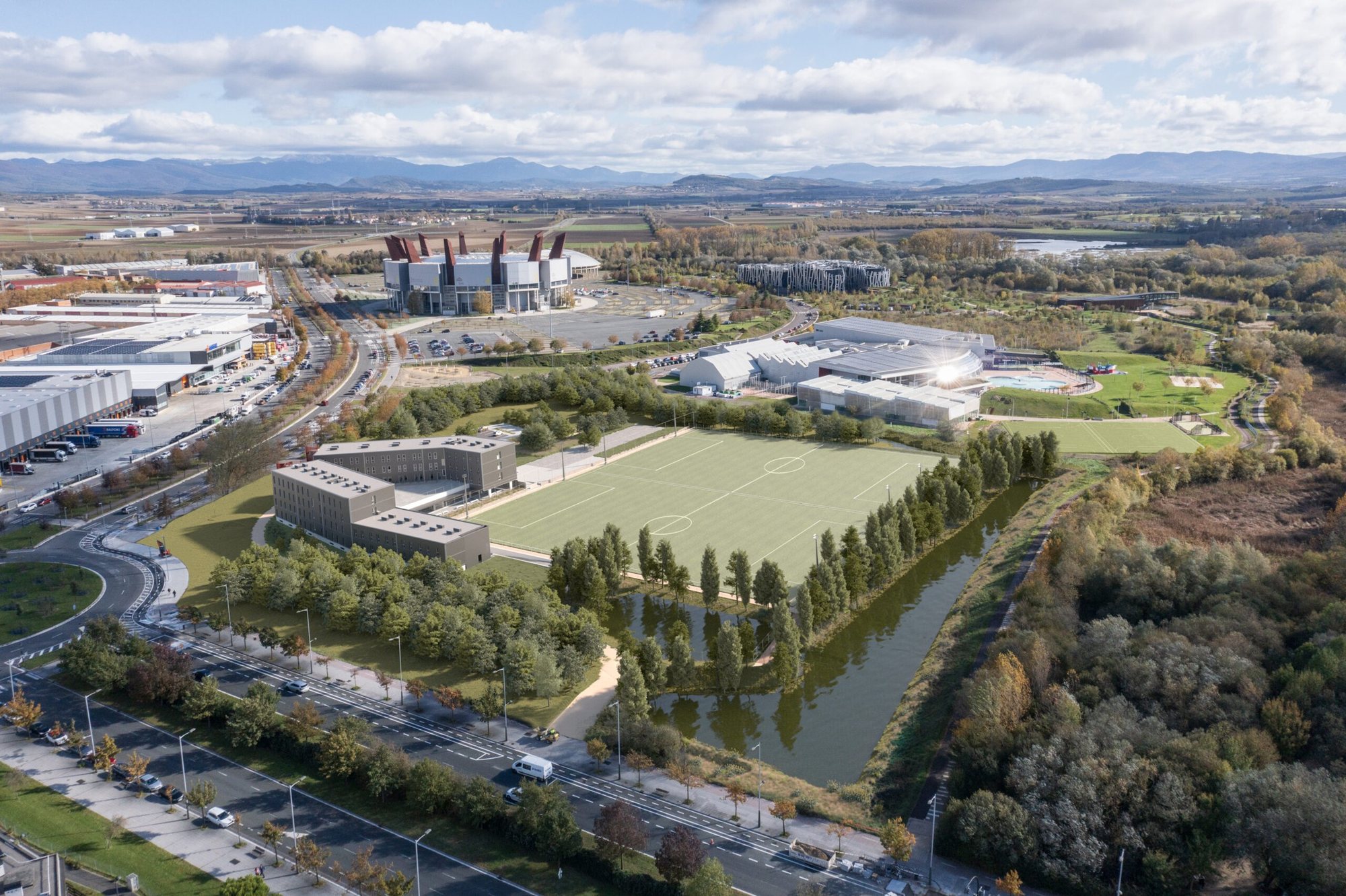
The right window can make the difference between a tour full of competitive matches and one spent watching empty pitches. Here is how the Spanish football calendar should shape your planning.
Timing is the single decision that shapes a youth soccer tour to Spain more than any other. It determines whether your players train alongside academy sides or on empty pitches, whether you watch a La Liga match in full stands or a preseason friendly, and whether you spend afternoons sweating through 95-degree heat or playing in comfortable spring weather. Before you book flights or lock in a roster, you need to understand how the Spanish football year actually runs, because it looks nothing like the American youth calendar.
Spanish football follows the standard European rhythm. The professional and academy season runs from roughly mid-August through late May, with a winter break of about two weeks over the Christmas and New Year period. La Liga typically kicks off in the third week of August and finishes in the third or fourth week of May. Youth competition, from the elite Division de Honor down through the regional leagues, tracks that same shape. Clubs run their academies, known as canteras, on this school-year model, so their teams are active, training and playing league fixtures throughout the autumn, winter and spring.
For a US coach, the practical takeaway is simple. If you want your players to face real Spanish opposition of a comparable level, you want to travel while the local season is live. That points you toward the windows on either side of the winter break, or toward the preseason period in late summer when clubs are ramping back up.
The stretch from mid-March through the end of May is, for most US teams, the best time to plan a tour. The Spanish season is in its business end, so academy sides are sharp, match-fit and playing meaningful fixtures. That makes it easy to arrange competitive friendlies against local clubs who are looking for quality opposition of their own. La Liga is also still running, which means you can build in a professional match as the centerpiece of the trip, whether that is a first-division fixture or a lower-division game with a great local atmosphere.
The weather in spring is another argument in its favor. Andalusia, Valencia and Madrid are warm but not yet punishing, and the northern regions like the Basque Country and Galicia are green and playable. For many US clubs, spring break aligns neatly with this window, letting you travel without pulling players out of school for an extended stretch. The one caveat is Semana Santa, Holy Week, usually in late March or April, when much of Spain slows down for the biggest holiday of the year. Some clubs pause training and traffic on the roads spikes, so plan matches around it rather than through it.
The second strong window is roughly late July into the first half of August, the preseason. Spanish clubs return for pretemporada, and this is when squads at every level are building fitness, playing friendlies and, at the professional level, staging open training sessions and preseason tournaments. If your priority is to watch how a top academy prepares rather than to attend a packed league match, this can be an ideal time. Access is often easier in preseason, and clubs are more receptive to arranging joint training or friendly fixtures because their own calendars are lighter.
The trade-off is heat. July and August in the interior and the south can be brutal, with daytime temperatures regularly climbing past 90 to 95 degrees Fahrenheit. If you travel in this window, schedule sessions for early morning or evening, hydrate aggressively and consider basing your trip in cooler northern cities. The coastal north, from San Sebastian across to A Coruna, stays far more comfortable in summer than Madrid or Seville.
September through November is a quietly excellent time to visit and often the one US coaches overlook. The season is fully underway, so academy sides are match-fit and La Liga is running at full tilt with plenty of weekend fixtures to choose from. The heat has broken in most of the country, and airfares and hotel rates tend to be lower than in the spring and summer peaks. The obvious obstacle is the US school and club calendar. Autumn collides with the American fall season, so this window usually only works for teams whose own schedule allows a break or for showcase groups traveling outside league play.
Two periods deserve a warning. The first is the winter break itself, roughly from just before Christmas through the first days of January, when professional and academy football largely stops. You can still tour and take in the culture, but arranging competitive matches is much harder because local teams are on holiday. The second is the deep summer from mid-June through mid-July, after the season ends and before preseason begins. Clubs are dark, academies are on break and the heat is at its worst. Unless your goal is purely sightseeing and light training, both of these windows will leave your players short of the meaningful competition that makes a tour worthwhile.
Start by naming your top priority. If you want competitive matches against Spanish academy teams, aim for spring or autumn while the local season is live. If you want to observe elite preseason preparation and joint training, target late July into early August and accept the heat. If watching a full La Liga match in a charged stadium is the non-negotiable centerpiece, travel between late August and late May and check the fixture list, remembering that exact kickoff times are often confirmed only a couple of weeks out. Then layer in the practical constraints: your school calendar, your budget, and your players' tolerance for heat. For most US youth clubs balancing all of these, the mid-March to late-May window is the sweet spot, offering competitive opposition, a live professional calendar and weather that lets young players actually perform.
Whatever window you choose, book early. The best local clubs and academies fill their friendly and training slots months ahead, and the strongest tours are the ones that lock in matches before the calendar tightens. A tour built around the Spanish football year, rather than dropped into a random empty week, is the one your players will remember.
Spring is the strongest all-round window: the Spanish season is in full swing, so competitive matches and academy sessions are easiest to arrange. Late-summer preseason is excellent for friendlies and open training, and autumn is an underrated, quieter option.
Late-July into August preseason is good for friendlies and open training as clubs return, but peak-summer heat and holiday closures around mid-August can limit access and raise prices. Plan around the calendar rather than only around school breaks.
Approach the mid-winter holiday period and the height of the vacation and exam windows with caution, when clubs pause and pitches sit empty. The guide breaks down each window in detail.
Spanish football, in English, in your inbox every week.
The week in La Liga, transfers and the youth game, written for US soccer coaches. One email, no noise.