Tour Guides · Friendlies
How to Arrange Friendly Matches Against Spanish Clubs
By Juan Sánchez · 01 July 2026 · The Spanish Football Desk
La Liga · Transfers · The Youth Game · for US soccer coaches
By Juan Sánchez · 01 July 2026 · The Spanish Football Desk
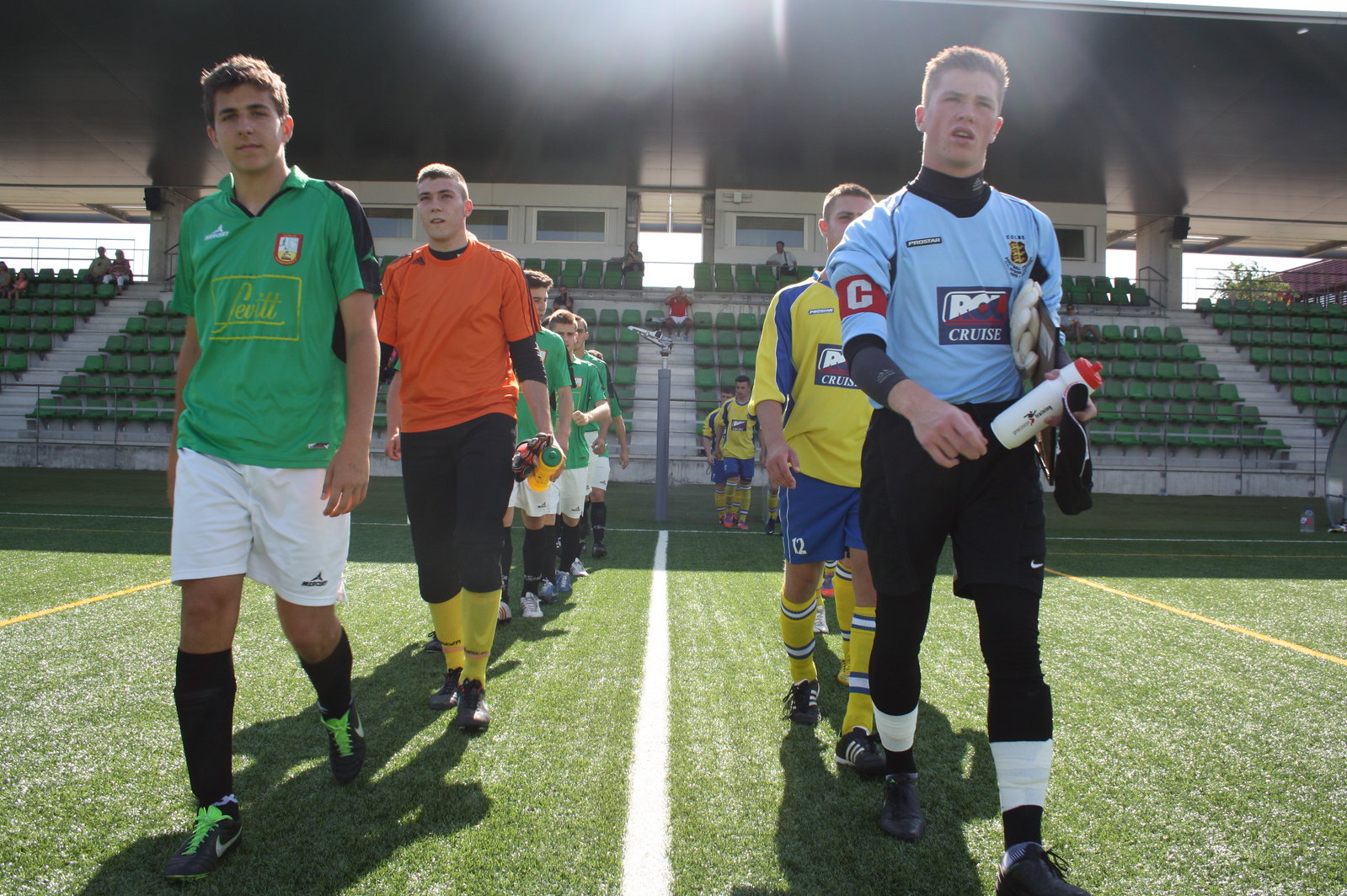
A practical playbook for US coaches who want their youth teams to play real matches against Spanish opposition, from finding the right level to handling the logistics that decide whether a friendly happens.
For a US youth team, the difference between a good trip to Spain and a great one usually comes down to one thing: whether they actually played. Stadium tours and training sessions are worthwhile, but nothing changes a group of players like ninety minutes against local opposition that reads the game differently, defends compactly, and passes out of pressure without panicking. Arranging those matches is very doable, but it rewards coaches who understand how Spanish clubs are organized and how far ahead they plan. This guide walks through the whole process, from first contact to the final whistle.
Before you email anyone, learn the vocabulary, because it determines who you are actually asking to play. Spanish clubs organize youth teams by age category with names you will see everywhere: Prebenjamin and Benjamin cover the youngest ages, Alevin sits around the under 10 to under 12 range, Infantil is roughly under 12 to under 14, Cadete is about under 14 to under 16, and Juvenil covers the oldest youth bracket up to under 19. Knowing these terms lets you ask for the right group and avoid a mismatch on the day.
Just as important is the club's competitive tier. A neighborhood club, a mid sized club with several teams, a professional club's cantera, and a private academy are four very different opponents. The pro academies of clubs like Valencia, Villarreal, Sevilla, or Real Sociedad run selective, high level programs and are the hardest to book directly. Ambitious local and regional clubs are far more accessible and, frankly, often give a US team a more honest and competitive game than a marquee name that fields a weaker side against visitors.
The single biggest cause of disappointing friendlies is a mismatch. Spanish clubs play a technical, positional game from a young age, and a strong regional Spanish side will punish a US travel team that is not used to being pressed. Before you request a specific opponent, describe your team plainly: the players' birth years, their competitive level at home, how many years they have trained together, and what kind of game you want. A club that knows what it is getting can put out an appropriate team, which is what produces a useful, close match rather than a blowout in either direction.
Ask for a level that stretches your group without breaking it. A game your team loses 4 to 1 while learning something is more valuable than a comfortable win, but a 9 to 0 loss teaches nothing except that the trip was misjudged. Good matchmakers will suggest an opponent one notch above what you might pick for yourself, because the whole point of traveling is to see a different standard.
Spanish clubs run on a European calendar. The domestic season generally runs from late summer through late spring, with a winter break around the holidays. During the season, weekends belong to league fixtures, so a competitive club will rarely give up a Saturday or Sunday for a friendly against a visiting team. Midweek is more realistic in season. If you want a proper club at full strength, the sweet spots are the preseason window in August and early September, and the offseason and tournament period from roughly June onward, when clubs are more flexible and often looking for warmup games themselves.
Plan the calendar backwards from those windows. Also account for the daily rhythm: Spanish youth training and matches often happen in the early evening, especially in warmer months, so an 8pm kickoff is normal and should not surprise your parents or your travel plan.
There are three practical routes. First, direct outreach: most clubs list a contact through their website or social media, and a clear, respectful message in Spanish, or with a Spanish translation attached, goes a long way. Introduce your club, state your ages and level, give your exact dates and the region you will be in, and ask whether a friendly is possible. Keep it short and specific. Second, personal connections: if any coach, parent, or former player in your network has a link to a Spanish club, use it, because Spanish football runs heavily on relationships and a warm introduction beats a cold email every time.
The third route, and the one most US groups end up using, is a tour operator or agency that already has standing relationships with clubs in a given region. This is the least romantic option but by far the most reliable, because a local partner knows which clubs actually honor commitments, can match your level accurately, and can fix problems on the ground when a field or referee falls through. Whichever route you choose, get the agreement in writing and confirm it again a week out.
Once a club says yes, a friendly still has a dozen ways to go wrong. Confirm the essentials in advance and in writing. Agree the match format and duration, because Spanish youth games use different field sizes, ball sizes, and small sided formats by age, and you want to know whether you are playing 7v7, 9v9, or 11v11. Confirm the venue and whether it is natural grass or artificial turf, which is extremely common in Spain and affects your footwear choice. Sort out whether there is a referee and who pays for one.
Handle the practical logistics that Americans often forget. Ask about changing rooms, water, and shade or lights. Confirm transport timing and how long the drive is, since Spanish traffic and evening kickoffs can stack up. Bring your own medical kit and know the local emergency number, which is 112 across Spain. Check your insurance covers international travel and competition, and carry medical release and consent forms for every player. If any of your players hold dual citizenship or you have unusual roster situations, mention it early rather than at the gate.
A friendly in Spain is a social occasion as much as a sporting one. Small gestures land well: bring a modest gift or a set of pennants or patches to exchange, greet the opposing coaches and let your captains shake hands, and consider sharing a meal or drinks afterward if the club is open to it. Encourage your players to talk to their counterparts, even across a language barrier, because those conversations are often what they remember years later. Line the teams up, take the photo, and thank the hosts publicly.
On the coaching side, treat the match as a learning laboratory rather than a result to protect. Ask the opposing coach what they saw in your team, watch how their side builds from the back and defends space, and resist the urge to bunker and hoof it just to keep the score respectable. The value is in the exposure. Debrief with your players the next day about the specific problems the Spanish side posed, because that is the intellectual souvenir of the trip.
Put simply, a good friendly in Spain requires four things to line up: the right opponent at the right level, a date that works inside the Spanish calendar, a confirmed venue with referee and format agreed, and clean paperwork on insurance and consent. Miss any one and the game either does not happen or does not help. Get all four right and your players come home having tested themselves against a football culture that has shaped much of the modern game. That experience, more than any stadium tour, is what justifies the flight.
Start by understanding how Spanish youth football is tiered, place your team honestly within it, and make contact through the right channel, such as a local club coordinator or a ground operator who knows the clubs. Then lock the details that decide whether the match actually happens: date, pitch, referee and cost.
Most teams can get a competitive friendly, but not necessarily against a top La Liga academy. Being honest about your level is what gets you a good game; a mismatch helps no one. Amateur and regional Spanish sides often provide the most competitive, rewarding matches.
Align with the Spanish season. Spring and preseason offer the most available, competitive opposition, while mid-competition and holiday windows are harder to fill.
The unglamorous ones: a confirmed date and kickoff, a booked pitch, a referee, agreed costs, and a clear point of contact on the host side. Get these in writing well ahead of travel.
Spanish football, in English, in your inbox every week.
The week in La Liga, transfers and the youth game, written for US soccer coaches. One email, no noise.