Youth · Club Tours
Soccer and Culture, Twelve Days: Hawaii Elite Take 100 Travellers Back to Spain in October
By Juan Sánchez · 02 August 2026 · The Spanish Football Desk
La Liga · Transfers · The Youth Game · for US soccer coaches
By Juan Sánchez · 02 August 2026 · The Spanish Football Desk
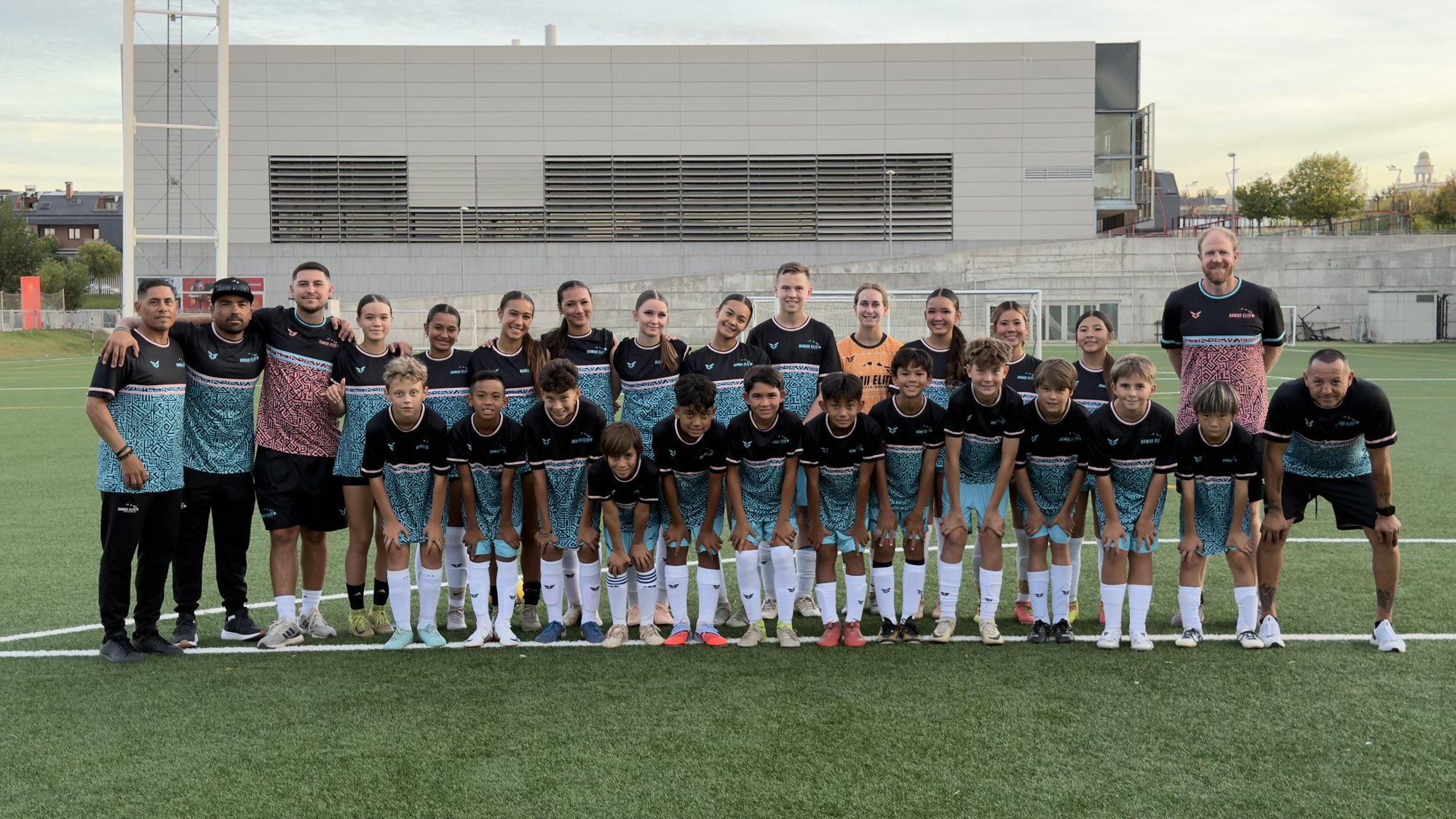
The Honolulu academy flies out on 2 October for a trip billed as a Spanish soccer and culture tour, and it means both halves. Three professional training grounds, three fixtures and a night at FC Barcelona, wrapped around Peñíscola, the Gothic Quarter and the Costa del Azahar.
Hawaii Elite Soccer Academy will leave Honolulu on 2 October for twelve days in Spain, and by the standards of American youth soccer that sentence is unusual twice over. The travelling party is around 100 people, boys' and girls' squads with their coaches and families together. And it is not a one-off.
Most US clubs that make it to Spain do it once, as a milestone for one age group, and then spend three years paying for it. The Honolulu club has instead turned the trip into something closer to a fixture on the calendar.
"We travel every year and give unique soccer opportunities for Hawaiian and mainland North American players of all age groups," says Brent Nunes, who runs the academy.
The trip is billed as a Spanish soccer and culture tour, and the second word is doing as much work as the first. That balance is the part worth studying, because it is where most American itineraries either overload or lose their nerve.
The soccer is anchored on three professional training grounds. Two mornings at Atlético de Madrid open the trip, with the club's academy coaches taking the squads on consecutive days. Valencia CF follows at Paterna, two sessions in a single morning. Barcelona adds two more at the Joan Gamper complex, one on the afternoon the group arrives from the coast and one on the final morning, that last session for players only.
Three friendlies against Spanish opposition sit between them, all evening kickoffs: the first the night the group reaches Benicàssim, the second against a Castellón side two days later, and a closing fixture against FC Barcelona that the itinerary is honest about, marked subject to club availability.
Then there is the watching, which builds rather than repeats. FC Barcelona youth fixtures on the Saturday morning, a La Liga F match at the Johan Cruyff Stadium that evening, and on the Sunday the night the itinerary calls the highlight of the tour: FC Barcelona against Getafe in La Liga, from the stands.
The cultural half is not filler between sessions. A full day goes to Peñíscola, the walled town stacked on a rock above the Mediterranean with the Papa Luna castle on top, with no match that evening. Valencia gets the City of Arts and Sciences on the night the coach comes down from Madrid, and a tour of the Mestalla on the way out. Benicàssim gives three nights on the Costa del Azahar and a paella lunch at the hotel. Barcelona gets a full day at walking pace: the Gothic Quarter, the Sagrada Família, Las Ramblas and lunch on the water at Port Vell. While the players take their first Joan Gamper session, the parents are at the FCB Museum.
What a US coach should take from this is that the cultural days are carrying the load management, not interrupting it. Twelve days is long enough that a trip can be stacked with a session or a fixture every single day, and the squads that do that arrive at the closing fixture with nothing left. Here the rhythm alternates on purpose. Peñíscola falls between the two Benicàssim matches. The Barcelona walking day falls between the women's match and the last session. The players are still out of the hotel and still having the trip, and their legs come back anyway.
The other design constraint is the one the headcount gives away. A hundred travellers means most of the group is not playing, so a tour built only around pitches would strand the families in hotel lobbies. Splitting the parents off to the FCB Museum during a session, and pointing the whole group at Peñíscola and Port Vell on the other days, is what makes a squad trip work as a family trip at the same time.
Hawaii Elite also travel further than almost any club that does this. A group leaving Honolulu is looking at the better part of a day in the air before it reaches Madrid, most of it overnight, which is why the first day asks almost nothing of them: arrivals through the morning, a walk in the city centre, a welcome meeting, dinner.
The squads land in Madrid on 2 October and fly home from Barcelona on the 13th.
Hawaii Elite have published their own page for the trip at hawaiielitesocceracademy.com.
Disclosure: Hawaii Elite's tour is organised by Odisea Tours, which publishes The Spanish Football Desk.
The Spanish Football Desk reports these developments in its own words for a US coaching audience. Original reporting:
Realistically ten days and up. Hawaii Elite use twelve days and eleven nights to fit Atlético de Madrid, Valencia CF and FC Barcelona, and that includes two long coach transfers and cultural days that double as recovery. A one-week trip usually means one training ground plus matches.
Yes, and Hawaii Elite do it. The squads train separately by age and gender at each club and share the transfers, hotels and the days out. Their October itinerary includes a La Liga F match at FC Barcelona's Johan Cruyff Stadium alongside a La Liga night watching Barcelona play Getafe.
Spanish football, in English, in your inbox every week.
The week in La Liga, transfers and the youth game, written for US soccer coaches. One email, no noise.